
Every room needs a focal point—a design element that draws attention, anchors the space, and sets the tone for the entire room. It can be a dramatic fireplace, a stunning piece of art, or an architectural feature. Highlighting your favorite room elements can transform an ordinary space into something extraordinary.
What Is a Focal Point?
A focal point is the center of interest in a room, the first thing your eyes are naturally drawn to when you enter the space. It serves as a visual anchor, providing balance and cohesion to the room’s design. Focal points can be built-in features like windows, fireplaces, or accent walls, or they can be added elements like furniture, lighting, or artwork. The key is to emphasize these features in a way that enhances the overall aesthetic of the room.
Highlighting Architectural Features
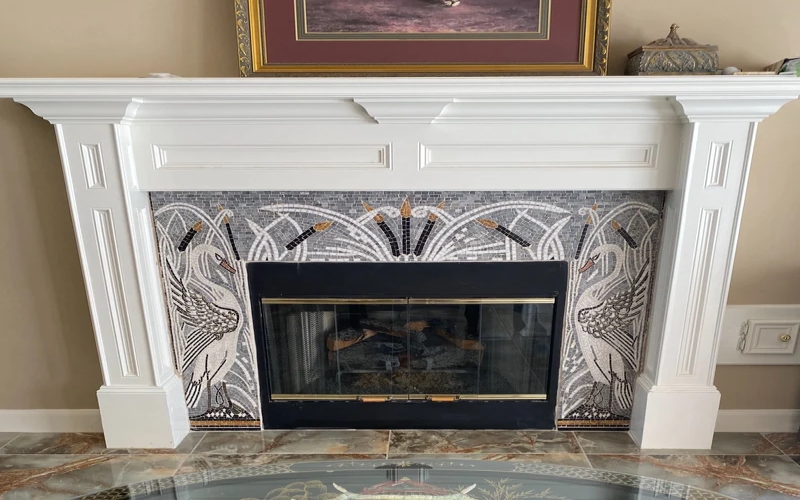
If your room includes architectural features like fireplaces, large windows, or built-in bookshelves, these elements are natural choices for focal points. Fireplaces, for instance, can be enhanced with a bold mantel, decorative mosaic patterns, or an eye-catching piece of art or mirror above them, with seating arranged around the area to emphasize its central role. Large windows can be highlighted with well-chosen curtains or shades that complement the room’s design, while low-profile furniture ensures an unobstructed view. Built-in shelves can be styled with a mix of books, plants, and decorative items, with lighting or colorful backgrounds used to draw additional attention to their display.
Creating a Statement with Artwork
Artwork provides endless possibilities for creating a focal point and adding personality to a room. A single oversized piece can make a powerful statement when hung above a sofa, bed, or console table, while a carefully arranged gallery wall offers a dynamic way to showcase smaller works. Sculptural or 3D art adds depth and intrigue, while accent lighting like picture lights or spotlights can highlight the artwork’s colors and textures, ensuring it captures attention.
Using Furniture as a Focal Point
Furniture itself can serve as a compelling focal point when chosen or positioned thoughtfully. A vibrant, uniquely designed sofa or chair in a bold color or luxurious fabric can naturally draw the eye, especially when other furnishings are arranged to frame it. In dining rooms, a striking table can become the centerpiece, especially when paired with an elegant chandelier or dramatic centerpiece. In bedrooms, a bed with a decorative headboard or canopy can easily become the focal point, enhanced by coordinating bedding and accessories.
Playing with Lighting
Lighting is a powerful tool for emphasizing focal points. A chandelier hanging above a dining table, foyer, or living room creates instant drama and draws attention upward. Pendant lights can spotlight key areas like kitchen islands, while accent lighting, such as sconces or spotlights, can be used to emphasize art, architectural features, or shelves. Dimmable lighting options allow for flexibility in controlling the mood and focus of a space, ensuring that the focal point remains adaptable to different needs.
Creating Drama with Accent Walls
An accent wall is a simple yet effective way to create a striking focal point. Painting a wall in a bold or contrasting color immediately draws the eye, while textured materials like shiplap, mosaics, or wallpaper add depth and character. Designs ranging from geometric patterns to intricate florals offer countless ways to personalize your accent wall and make it a defining feature of the room.
Incorporating Nature
Natural elements often make excellent focal points, especially in spaces designed for relaxation or tranquility. A large indoor plant, like a fiddle leaf fig or tall palm, adds visual interest and brings a touch of the outdoors inside. Water features, such as fountains or aquariums, create a soothing focal point while adding movement and sound. Architectural features made from natural materials, like stone or wood, also provide an organic, grounding effect that enhances the room’s atmosphere.
Layering for Depth
In larger rooms, layering multiple focal points can create a dynamic and balanced design. For example, a fireplace can be paired with a dramatic chandelier or a large window, while an accent wall can be complemented with a bold piece of art. The key is to ensure these focal points work together harmoniously, with one serving as the primary anchor and others as complementary elements that enhance the overall effect.
Bonus: Practical Tips for Focal Point Success
When creating a focal point, ensure that its scale matches the size of the room. An oversized element in a small room can overwhelm the space, while a tiny feature in a large room may feel underwhelming. Arrange furniture and decor to naturally guide the eye toward the focal point, keeping surrounding areas uncluttered to allow it to stand out. Balance is crucial—focal points should draw attention without making the space feel chaotic. Staying true to your personal style is also important; your focal point should enhance the room while reflecting your unique taste and preferences.