
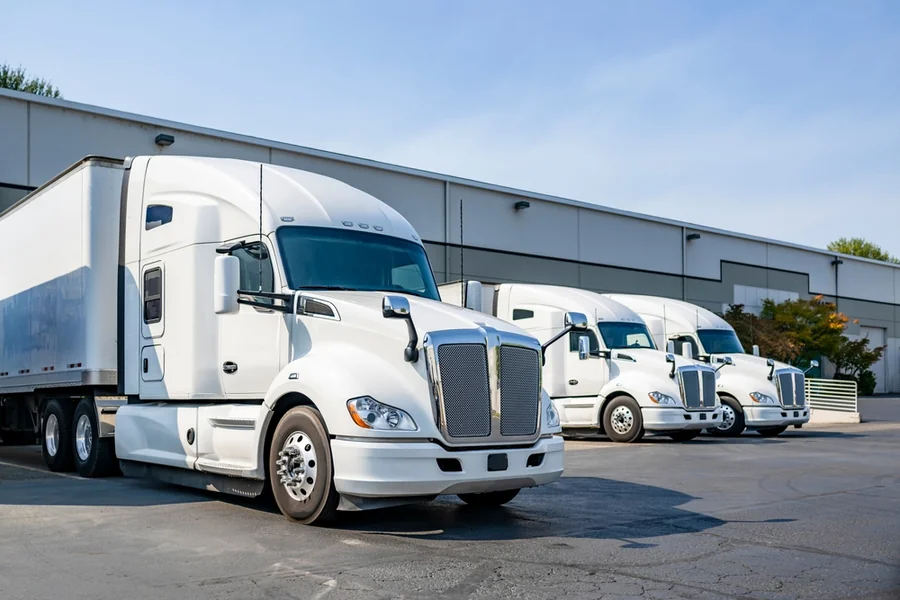
How to Choose the Right Brand for Your Fleet Trucks

Building a commercial trucking fleet involves more than purchasing trucks. The semi-truck brand you choose can influence operating costs, maintenance schedules, driver comfort, fuel efficiency, and long-term profitability. Starting with a few trucks or expanding an existing fleet, choosing the right brand can support reliability today and make growth easier over time. 

Start with Your Business Needs

Different trucking operations need different kinds of equipment. Before you start comparing brands, take time to define the primary purpose of your fleet, beyond simply driving and hauling. Long-haul companies often prioritize fuel efficiency and driver comfort, while regional or local delivery businesses might choose to focus more on lower upfront costs and how well the truck handles on narrower city roads. Ask yourself the following kinds of questions:

  • What kind of freight will you be hauling?
  • How far will your trucks travel every week?
  • Will your fleet operate in mountainous, urban, or long and flat areas?
  • How important is fuel efficiency to your business?

The answers to these questions can help you narrow down which truck brand best aligns with your goals.

Compare Reliability and Maintenance Costs

The reliability of your rigs directly affects your business’s profitability. Frequent breakdowns create delivery delays, unhappy customers, and expensive repair bills. When evaluating brands, research their reputation for durability and long-term performance. Some brands may have a lower upfront cost but higher maintenance costs over time. Others might cost more initially but offer better reliability and lower cost of ownership over the years. Downtime can be one of the biggest hidden expenses in managing a fleet, so finding dependable trucks is extremely important.

Evaluate Fuel Efficiency

Fuel costs are a large portion of any fleet’s operating expenses. Even a small difference in mileage per gallon can lead to major savings when you’re talking about a large fleet of trucks over the course of many years. Many modern semi-truck designs are more aerodynamic, feature advanced engine technology, and offer automated transmissions for better fuel efficiency. For growing fleets, trucks with strong fuel performance can improve margins and allow you to budget more effectively.

Balance Short-Term and Long-Term Costs

Remember that the lowest purchase price doesn’t always give you the best long-term value. Make sure you compare the total cost of ownership, including maintenance, fuel usage, resale value, expected lifespan, and not only the cost of buying the truck. Choosing the right brand takes careful planning and research, but making an informed decision when you’re looking at fleet trucks for sale can help you to build an efficient fleet that’s centered on a brand you can rely on for years to come.

Building a commercial trucking fleet involves more than purchasing trucks. The semi-truck brand you choose can influence operating costs, maintenance schedules, driver comfort, fuel efficiency, and long-term profitability. Starting with a few trucks or expanding an existing fleet, choosing the right brand can support reliability today and make growth easier over time. 

Start with Your Business Needs

Different trucking operations need different kinds of equipment. Before you start comparing brands, take time to define the primary purpose of your fleet, beyond simply driving and hauling, of course. Long-haul companies often prioritize fuel efficiency and driver comfort, while regional or local delivery businesses might choose to focus more on lower upfront costs and how well the truck handles on narrower city roads. Ask yourself the following kinds of questions:

  • What kind of freight will you be hauling?
  • How far will your trucks travel every week?
  • Will your fleet operate in mountainous, urban, or long and flat areas?
  • How important is fuel efficiency to your business?

The answers to these questions can help you narrow down which truck brand best aligns with your goals.

Compare Reliability and Maintenance Costs

The reliability of your rigs directly affects profitability for your business. Frequent breakdowns create delivery delays, unhappy customers, and expensive repair bills. When evaluating brands, research their reputation for durability and long-term performance. Some brands may have a lower upfront cost but higher maintenance costs over time. Others might cost more initially but offer better reliability and lower cost of ownership over the years. Downtime can be one of the biggest hidden expenses in managing a fleet, so finding dependable trucks is extremely important.

Evaluate Fuel Efficiency

Fuel costs are a large portion of any fleet’s operating expenses. Even a small difference in mileage per gallon can lead to major savings when you’re talking about a large fleet of trucks over the course of many years. Many modern semi-truck designs are more aerodynamic, have advanced engine technology, and have automated transmissions for better fuel efficiency. For growing fleets, trucks with strong fuel performance can improve margins and allow you to budget more effectively.

Balance Short-Term and Long-Term Costs

Remember that the lowest purchase price doesn’t always give you the best long-term value. Make sure you compare the total cost of ownership, including maintenance, fuel usage, resale value, expected lifespan, etc., and not only the cost of buying the truck. Choosing the right brand takes careful planning and research, but making an informed decision when you’re looking at fleet trucks for sale can help you to build an efficient fleet that’s centered on a brand you can rely on for years to come.

Building a commercial trucking fleet involves more than purchasing trucks. The semi-truck brand you choose can influence operating costs, maintenance schedules, driver comfort, fuel efficiency, and long-term profitability. Starting with a few trucks or expanding an existing fleet, choosing the right brand can support reliability today and make growth easier over time. 

Start with Your Business Needs

Different trucking operations need different kinds of equipment. Before you start comparing brands, take time to define the primary purpose of your fleet, beyond simply driving and hauling, of course. Long-haul companies often prioritize fuel efficiency and driver comfort, while regional or local delivery businesses might choose to focus more on lower upfront costs and how well the truck handles on narrower city roads. Ask yourself the following kinds of questions:

  • What kind of freight will you be hauling?
  • How far will your trucks travel every week?
  • Will your fleet operate in mountainous, urban, or long and flat areas?
  • How important is fuel efficiency to your business?

The answers to these questions can help you narrow down which truck brand best aligns with your goals.

Compare Reliability and Maintenance Costs

The reliability of your rigs directly affects profitability for your business. Frequent breakdowns create delivery delays, unhappy customers, and expensive repair bills. When evaluating brands, research their reputation for durability and long-term performance. Some brands may have a lower upfront cost but higher maintenance costs over time. Others might cost more initially but offer better reliability and lower cost of ownership over the years. Downtime can be one of the biggest hidden expenses in managing a fleet, so finding dependable trucks is extremely important.

Evaluate Fuel Efficiency

Fuel costs are a large portion of any fleet’s operating expenses. Even a small difference in mileage per gallon can lead to major savings when you’re talking about a large fleet of trucks over the course of many years. Many modern semi-truck designs are more aerodynamic, have advanced engine technology, and have automated transmissions for better fuel efficiency. For growing fleets, trucks with strong fuel performance can improve margins and allow you to budget more effectively.

Balance Short-Term and Long-Term Costs

Remember that the lowest purchase price doesn’t always give you the best long-term value. Make sure you compare the total cost of ownership, including maintenance, fuel usage, resale value, expected lifespan, etc., and not only the cost of buying the truck. Choosing the right brand takes careful planning and research, but making an informed decision when you’re looking at fleet trucks for sale can help you build an efficient fleet that’s centered on a brand you can rely on for years to come.

Leave a Comment

Scroll to Top