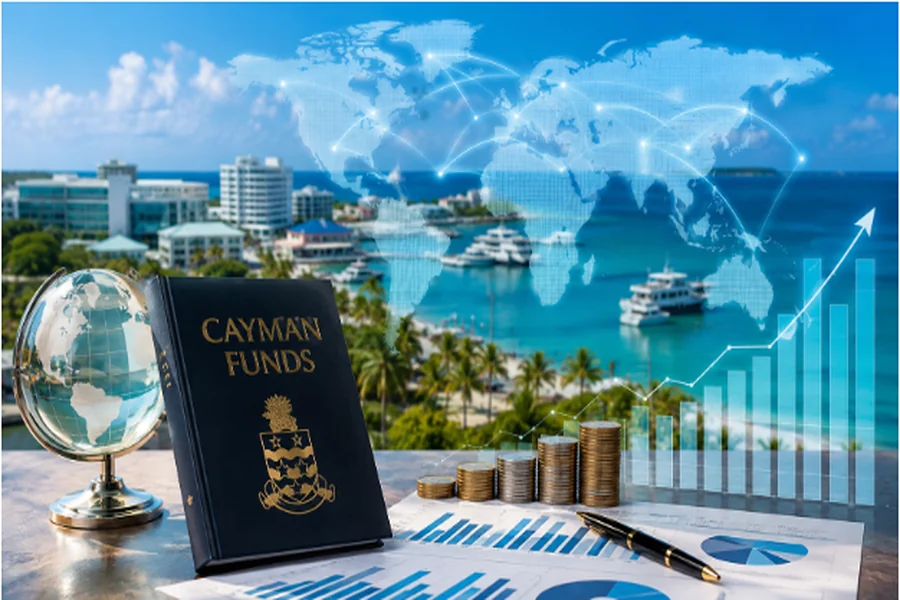
Performance history is rarely the only factor considered when raising funds internationally. Investors and their advisors consider the fund vehicle, governing legislation, regulatory oversight, service providers, reporting criteria, and the structure’s practical ease of use before making a financial commitment. Because these aspects of the fund structure are already widely known in the global funds industry, the Cayman Islands have become a popular option.
A Structure International Investors Already Recognise
Many institutional investors, fund administrators, auditors and legal advisers have worked with Cayman structures before. That familiarity matters. It reduces the time spent explaining how the vehicle works and gives due diligence teams a clearer starting point when reviewing the fund’s constitutional documents, governance arrangements and service-provider appointments.
A Cayman Investment Fund may be formed as an exempted company, exempted limited partnership, limited liability company, segregated portfolio company or unit trust, depending on the strategy and investor base. The vehicle is not selected simply because one option is more popular. It should reflect how capital will be raised, how returns will be distributed, whether investors can redeem, and how decision-making authority will be allocated.
Regulation That Supports Investor Scrutiny
Cayman’s fund sector operates within a recognised regulatory framework. Open-ended funds are generally considered under the Mutual Funds Act, while qualifying closed-ended funds fall under the Private Funds Act. The Cayman Islands Monetary Authority regulates applicable funds and monitors their continuing obligations.
For investors, that framework translates into practical checks. Depending on the fund type, these may include:
- CIMA registration
- Annual audited financial statements
- Fund Annual Returns
- Valuation procedures
- Cash monitoring
- Safekeeping arrangements
- Governance requirements
These obligations do not remove investment risk. They do give investors more information about how the fund is organised, who is responsible for key functions and whether the structure is keeping pace with its reporting duties.
Different Strategies Need Different Vehicles
A hedge fund offering regular subscriptions and redemptions has different operating needs from a private equity fund drawing down capital over several years. Cayman law allows sponsors and advisers to match the legal vehicle to those differences.
An exempted company may suit a corporate fund structure. An exempted limited partnership is widely used where investors commit capital and participate as limited partners. A segregated portfolio company can separate assets and liabilities between portfolios within the same legal entity, subject to the governing documents and applicable law.
Other entities may sit beside the fund rather than act as the fund itself. A Cayman Foundation Company, for example, can be considered for certain holding, governance or special-purpose roles where its legal characteristics fit the wider structure. Its use should be based on legal and tax advice, not treated as a standard answer for every fund launch.
Tax Neutrality Without Ignoring Investor Tax Duties
Cayman’s tax-neutral position is another reason it is used for pooling international capital. The jurisdiction does not generally add a separate layer of direct Cayman taxation at fund level. This can help investors from several countries participate through one vehicle without the fund itself creating another direct-tax charge in Cayman.
That does not mean investors are free from tax. Each investor, manager and portfolio company may have tax obligations in the country where it is resident, managed or carrying on business. Well-prepared fund documentation and advice should make that distinction clear.
Transparency Is Now Part of the Attraction
International investors also expect a jurisdiction to meet recognised standards for anti-money laundering, tax information exchange and ownership reporting. Cayman entities may have responsibilities under AML rules, FATCA, CRS, Beneficial Ownership requirements and, where applicable, Economic Substance rules.
For an investment committee, these are not side issues. Weak records, missed filings or unclear AML appointments can delay an allocation, create follow-up questions or affect confidence in the manager’s operating controls.
Conclusion
A properly formed fund can still run into trouble if its records and filings are not maintained. Annual returns, registered office records, statutory registers, regulatory submissions, AML appointments and deadline monitoring all need regular attention.
HCS Offshore supports Cayman fund structures from formation and registration through continuing corporate and compliance work. This can include registered office services, annual filings, Beneficial Ownership, Economic Substance, CRS and FATCA reporting, AML officer support, audits, training and monitoring.